
10th Edition of International Conference on
Traditional Medicine and Integrative Health
June 24-26, 2027 | Rome, Italy

Traditional Medicine In Diagnose Of Diseases
Traditional approaches to diagnosis rely on the examination of signs and symptoms, such as physical examination, taking a patient’s pulse, and questioning about lifestyle. These methods are often used in tandem with laboratory tests to further understand the condition. Traditional medicine is also beneficial in addressing diseases that have no known cause, which may be caused by psychological or social factors, such as depression or trauma. Traditional practitioners often make use of culturally specific practices to diagnose and treat these conditions, supplementing with practices from other cultures that may be relevant to a particular culture or region. Traditional medicine is also used to heal spiritual afflictions, such as possession by evil spirits, by using rituals, ceremony, and blessing. Traditional medicine also has particular applications in the diagnosis and treatment of certain infectious diseases, and has an important role to play in global health strategies around the world. For example, traditional medicine in India has developed specialized treatments for illnesses like malaria and typhoid fever, which are caused by different microorganisms than those found in Western medicine. In conclusion, traditional medicine is a powerful therapeutic tool for diagnosing and treating diseases. It is often very effective for assessing physical, mental, and spiritual conditions and uses natural, non-invasive remedies such as herbs and roots.
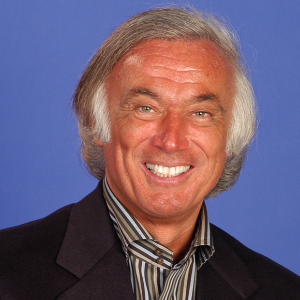
Kenneth R Pelletier
University of California School of Medicine, United States
Gene Bruno
Nutraland, United States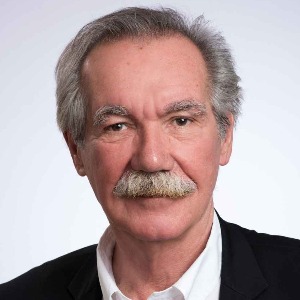
Robert Kempenich
AREMA, France
Sweta Vikram
NimmiLife, United States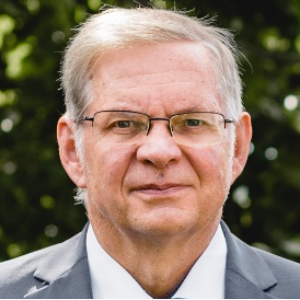
Anton Keppel
EATCM Austria, Austria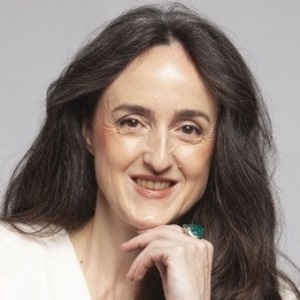
Elsa Ramos Elias
Healing Spirit-Mind-Body S.L., Spain
Julieta Andico Songco
JAS Consulting Services, United StatesSubmit your abstract Today


Title : Health and joy of living with the practice of what is right and not just what you like
Amadio Bianchi, European Yoga Federation, Italy
Title : Nutrition and longevity- science-based solutions to support the increasing demand in the modern society
Iuliana Vintila, University “Dunarea de Jos” Galati, Romania
Title : Pain: Anthroposophic medicine approach
Robert Kempenich, AREMA, France
Title : Integrating indigenous ways of knowing and occupational therapy: Advancing integrative health through relational and place-based practice
Jennifer Bertoni, NOSM University, Canada
Title : Beyond symptom management: The ayurvedic approach to chronic pain and integrative health
Prerak Shah, Ayulink Ayurveda, India
Title : Acupuncture without the needles
Alexis Brink, Jin Shin Institute, United States