
10th Edition of International Conference on
Traditional Medicine and Integrative Health
June 24-26, 2027 | Rome, Italy
Ayurveda
Ayurveda is an ancient Indian medical practise that dates back over 3,000 years. The Sanskrit terms ayur (life) and veda (science) are combined to form the term Ayurveda (science or knowledge). As a result, Ayurveda means "knowledge of life." Ayurveda encourages various lifestyle modifications and natural remedies to regain a balance between the body, mind, spirit, and environment, based on the belief that disease is caused by an imbalance or stress in a person's consciousness. Ayurvedic knowledge dates back over 5,000 years in India and is known as the "Mother of All Healing." It has its origins in ancient Vedic culture and has been passed down from generation to generation in an oral tradition from great masters to their students. Internal cleansing is the first step in Ayurveda treatment, followed by a particular diet, herbal treatments, massage therapy, yoga, and meditation.
- Ayurvedic Dosage Forms
- Efficacy and Safety of Ayurvedic Medicines
- Pharmacovigilance in Ayurveda
- Clinical Trials on Ayurvedic Drugs
Kenneth R Pelletier
University of California School of Medicine, United States
Gene Bruno
Nutraland, United States
Robert Kempenich
AREMA, France
Sweta Vikram
NimmiLife, United States
Anton Keppel
EATCM Austria, Austria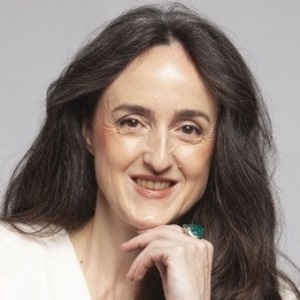
Elsa Ramos Elias
Healing Spirit-Mind-Body S.L., Spain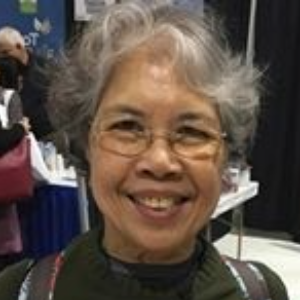
Julieta Andico Songco
JAS Consulting Services, United StatesSubmit your abstract Today


Title : Health and joy of living with the practice of what is right and not just what you like
Amadio Bianchi, European Yoga Federation, Italy
Title : Nutrition and longevity- science-based solutions to support the increasing demand in the modern society
Iuliana Vintila, University “Dunarea de Jos” Galati, Romania
Title : Pain: Anthroposophic medicine approach
Robert Kempenich, AREMA, France
Title : Integrating indigenous ways of knowing and occupational therapy: Advancing integrative health through relational and place-based practice
Jennifer Bertoni, NOSM University, Canada
Title : Beyond symptom management: The ayurvedic approach to chronic pain and integrative health
Prerak Shah, Ayulink Ayurveda, India
Title : Acupuncture without the needles
Alexis Brink, Jin Shin Institute, United States