
10th Edition of International Conference on
Traditional Medicine and Integrative Health
June 24-26, 2027 | Rome, Italy

Traditional Medicine: Biomolecular and Clinical Aspects
The worldwide popularity of herbal supplements, as well as the promise they hold in treating a variety of diseases, has sparked a surge in research into the molecular foundation of traditional treatments' biological activity. The potent antioxidant effects of herbs and spices have been explored in the last decade due to the strong links between oxidative stress, ageing, and disease. The herbs included are some of the most commonly used treatments, and they include flowering herbs, fruits and berries, roots and rhizomes, and fungi, among others. The use of mass spectrometry and chemometric fingerprinting technology in the authentication of herbs has also been investigated in the last decade to assist provide a new level of quality control to the production of herbal extracts. There is a requirement for rigorous scientific study of herbal medicines as the demand for effective, inexpensive health promotion and treatment expands, especially in the growing elderly population.
Kenneth R Pelletier
University of California School of Medicine, United States
Gene Bruno
Nutraland, United States
Robert Kempenich
AREMA, France
Sweta Vikram
NimmiLife, United States
Anton Keppel
EATCM Austria, Austria
Elsa Ramos Elias
Healing Spirit-Mind-Body S.L., Spain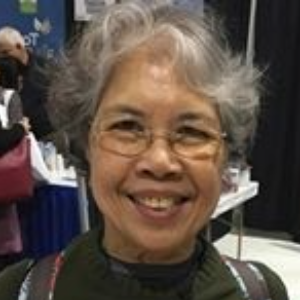
Julieta Andico Songco
JAS Consulting Services, United StatesSubmit your abstract Today


Title : Health and joy of living with the practice of what is right and not just what you like
Amadio Bianchi, European Yoga Federation, Italy
Title : Nutrition and longevity- science-based solutions to support the increasing demand in the modern society
Iuliana Vintila, University “Dunarea de Jos” Galati, Romania
Title : Pain: Anthroposophic medicine approach
Robert Kempenich, AREMA, France
Title : Integrating indigenous ways of knowing and occupational therapy: Advancing integrative health through relational and place-based practice
Jennifer Bertoni, NOSM University, Canada
Title : Beyond symptom management: The ayurvedic approach to chronic pain and integrative health
Prerak Shah, Ayulink Ayurveda, India
Title : Acupuncture without the needles
Alexis Brink, Jin Shin Institute, United States