
10th Edition of International Conference on
Traditional Medicine and Integrative Health
June 24-26, 2027 | Rome, Italy
Phyto toxicology
Phyto toxicology is the study of the toxicity of medicinal plants and their constituents. Over the centuries, traditional treatments based on herbal medicines have been used in various cultures and healing practices around the world. Traditional medicine relies on plant-based remedies to restore health and well-being. In some cultures, herbs are used in combination with clearly defined rituals in order to treat a wide variety of conditions. In recent years, the search for more effective treatments has shifted to include Phyto toxicology. This field of research is devoted to determining the bioavailability, safety and efficacy of medicinal plants in various concentrations. Scientists use sophisticated methods such as chromatography, spectroscopy and analytical techniques to identify and quantify the chemical components of a plant. The goal is to determine the active ingredients and the potential toxicity of the plant in different forms and concentrations. Phyto toxicology also strives to understand the mechanism by which the plant works in order to determine its potential for human use. This includes consideration of the interactions between the various components of the plant, taking into account the impact of the environment, dietary intake and metabolism of the ingested material. In addition, these studies focus on potential therapeutic interactions with other drugs and foods. By studying a plant in its entirety, phytotoxic ologists can assess safety and determine potential noise. Such examination can lead to the discovery of new and more effective treatments. For example, it may suggest a reason why a particular herb or extract may be more effective at treating a certain condition than another. Phyto toxicology also helps identify plants that could be toxic to humans under certain conditions, which can save lives by alerting us to the potential dangers of traditional medicine.
Kenneth R Pelletier
University of California School of Medicine, United States
Gene Bruno
Nutraland, United States
Robert Kempenich
AREMA, France
Sweta Vikram
NimmiLife, United States
Anton Keppel
EATCM Austria, Austria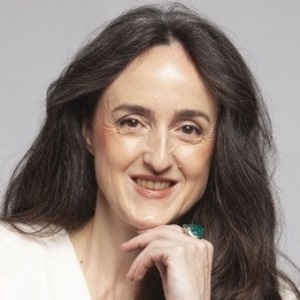
Elsa Ramos Elias
Healing Spirit-Mind-Body S.L., Spain
Julieta Andico Songco
JAS Consulting Services, United StatesSubmit your abstract Today


Title : Health and joy of living with the practice of what is right and not just what you like
Amadio Bianchi, European Yoga Federation, Italy
Title : Nutrition and longevity- science-based solutions to support the increasing demand in the modern society
Iuliana Vintila, University “Dunarea de Jos” Galati, Romania
Title : Pain: Anthroposophic medicine approach
Robert Kempenich, AREMA, France
Title : Integrating indigenous ways of knowing and occupational therapy: Advancing integrative health through relational and place-based practice
Jennifer Bertoni, NOSM University, Canada
Title : Beyond symptom management: The ayurvedic approach to chronic pain and integrative health
Prerak Shah, Ayulink Ayurveda, India
Title : Acupuncture without the needles
Alexis Brink, Jin Shin Institute, United States