
10th Edition of International Conference on
Traditional Medicine and Integrative Health
June 24-26, 2027 | Rome, Italy

Physiotherapy For Spinal Disorders
Spinal disorders are classified as pain or discomfort affecting the neck, upper back, mid back, lower back, and sacral or pelvic regions associated with a variety of conditions. Traditionally, these have been treated with a range of treatments including medication, surgery, and physical therapy. Most recently, however, physiotherapy has become an increasingly common and effective treatment for spinal disorders due to its ability to reduce inflammation and pain while promoting improved strength, flexibility, balance, and mobility. Physiotherapy for spinal disorders is a safe, non-invasive and drug-free method of treating spinal problems. It involves the skilled application of a range of different manual and therapeutic interventions such as massage, exercises, stretches and joint mobilization to enhance the mobility and functioning of the spine. Physiotherapists may also use other treatments such as heat, ultrasound, TENS, and exercise prescription to help reduce pain and inflammation, increase the range of motion, and improve strength. Physiotherapists also work closely with patients to understand their pain and activities, and develop individualized rehabilitation plans tailored to the needs of the patient. This may include providing advice on posture, ergonomics, activity, relaxation, and lifestyle modifications. Furthermore, the physiotherapist can provide education on the anatomical structures, associated muscles, and proper movement patterns of the spine. Physiotherapy for spinal disorders can also give patients the ability to manage and eventually resolve their symptoms by indicating exercises that can be used to optimize their own treatment. Research has found that strengthening exercises may be the most effective way to control pain and improve range of motion in the spine. Physiotherapists can also teach patients to self-manage their condition in between sessions and help them better understand the condition so they can rely less on professional help. Overall, physiotherapy has been proven to be effective when it comes to treating spinal disorders. With the right treatment, patients can benefit from improved mobility, pain relief, and increased function.
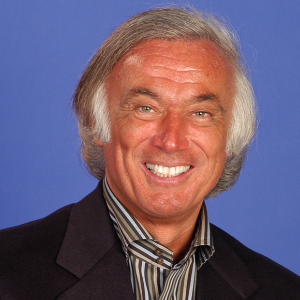
Kenneth R Pelletier
University of California School of Medicine, United States
Gene Bruno
Nutraland, United States
Robert Kempenich
AREMA, France
Sweta Vikram
NimmiLife, United States
Anton Keppel
EATCM Austria, Austria
Elsa Ramos Elias
Healing Spirit-Mind-Body S.L., Spain
Julieta Andico Songco
JAS Consulting Services, United StatesSubmit your abstract Today


Title : Health and joy of living with the practice of what is right and not just what you like
Amadio Bianchi, European Yoga Federation, Italy
Title : Nutrition and longevity- science-based solutions to support the increasing demand in the modern society
Iuliana Vintila, University “Dunarea de Jos” Galati, Romania
Title : Pain: Anthroposophic medicine approach
Robert Kempenich, AREMA, France
Title : Integrating indigenous ways of knowing and occupational therapy: Advancing integrative health through relational and place-based practice
Jennifer Bertoni, NOSM University, Canada
Title : Beyond symptom management: The ayurvedic approach to chronic pain and integrative health
Prerak Shah, Ayulink Ayurveda, India
Title : Acupuncture without the needles
Alexis Brink, Jin Shin Institute, United States