
10th Edition of International Conference on
Traditional Medicine and Integrative Health
June 24-26, 2027 | Rome, Italy

Passive Musical Encounters
The passive musical experiences in traditional medicine have a long, rich history, dating back to ancient times. The use of music in traditional medicine often involves invoking a certain atmosphere for a patient to experience—aural, ambient, or otherwise—to induce a trance-like state in which the patient is physiologically altered, allowing physical and mental therapeutic benefits. An example of a musical encounter in traditional medicine might be a drummed trance song of a type often used in shamanic practices. In this context, the passive musical journey can serve as a tool for healing, mentally calming, connecting to the deeper aspects of one’s mind, or aiding in the meditation process. In contemporary times, musical immersion is becoming increasingly popular as an approach to traditional medicine. Music can provide a type of "medicine in the form of sounds," using music to achieve a trance state and create a sense of safety, quiescence, and a pathway to inner healing. One example of passive musical engagement in traditional medicine is therapeutic drumming. Many practitioners believe that rhythmic drumming—with its entrancing beat—can draw the listener into a state of relaxed awareness. This process has been used for centuries in traditional indigenous healing practices, where it is believed to facilitate spiritual, emotional and physical wellness. Other than simply creating trance states, passive musical encounters can also be considered as tools for communication within a group setting. In traditional indigenous practices, for example, drumming is used to establish a group dialogue. It is believed that the rhythm of the drum carries messages of peace and unity, and encourages individuals to better understand their shared humanity. In conclusion, the use of passive musical encounters in traditional medicine serves as an important and powerful tool for healing. Through its experiential nature, rhythmic drumming and other forms of music can provide a sense of comfort, unity, and relaxation. Traditional medicine practitioners can use these perspectives to create an environment in which healing can take place.
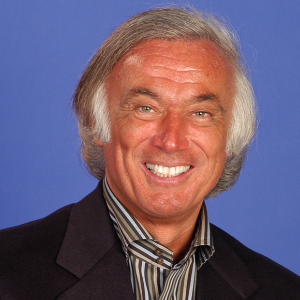
Kenneth R Pelletier
University of California School of Medicine, United States
Gene Bruno
Nutraland, United States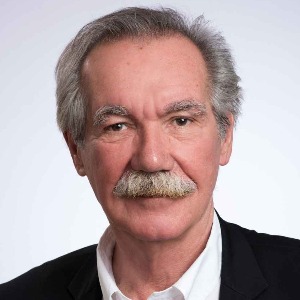
Robert Kempenich
AREMA, France
Sweta Vikram
NimmiLife, United States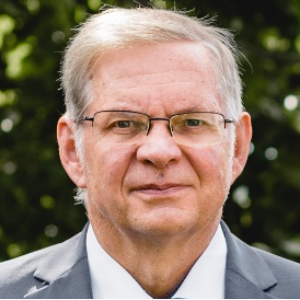
Anton Keppel
EATCM Austria, Austria
Elsa Ramos Elias
Healing Spirit-Mind-Body S.L., Spain
Julieta Andico Songco
JAS Consulting Services, United StatesSubmit your abstract Today


Title : Health and joy of living with the practice of what is right and not just what you like
Amadio Bianchi, European Yoga Federation, Italy
Title : Nutrition and longevity- science-based solutions to support the increasing demand in the modern society
Iuliana Vintila, University “Dunarea de Jos” Galati, Romania
Title : Pain: Anthroposophic medicine approach
Robert Kempenich, AREMA, France
Title : Integrating indigenous ways of knowing and occupational therapy: Advancing integrative health through relational and place-based practice
Jennifer Bertoni, NOSM University, Canada
Title : Beyond symptom management: The ayurvedic approach to chronic pain and integrative health
Prerak Shah, Ayulink Ayurveda, India
Title : Acupuncture without the needles
Alexis Brink, Jin Shin Institute, United States