
10th Edition of International Conference on
Traditional Medicine and Integrative Health
June 24-26, 2027 | Rome, Italy

Modern Medicine
Modern medicine has been a cornerstone in the advancement of health care throughout the world. In recent times, medical researchers have begun to recognize the potential of traditional medicine and its ability to provide an integrated approach to health and wellness. Traditional medicine utilizes many of the same core principles as modern medicine, such as providing access to preventive care, diagnosing illnesses and conditions, and providing effective treatments. However, unlike modern medicine, traditional medicine has a focus on herbal and holistic remedies that have helped people to better understand the causes of ailments and promote healing. The use of botanical medicines, Chinese herbs, massage therapy, acupuncture, and mind-body practices have been used to treat a wide range of health issues throughout history, such as digestive disorders, chronic pain, and anxiety. What’s more, these treatments often focus on the underlying imbalances in the body rather than simply masking symptoms with pharmaceuticals. This type of approach has been effective in treating the causes of many illnesses and promoting overall health and wellbeing. As modern medicine has expanded, many practitioners are now beginning to incorporate traditional medicine into their approach to patient care. Patients benefit from access to an integrative approach to health, as traditional medicine may be beneficial for some conditions that modern medicine cannot effectively treat. For example, traditional medicine may be on offer for conditions such as chronic fatigue syndrome, mental health issues, headaches, and digestive complaints, among others. Additionally, modern medicine has adopted approaches from traditional medicine such as mindfulness-based therapy, yoga, tai chi, and meditation as potential treatments for a variety of disorders, from mental health issues to chronic pain. While the rigors of evidence-based medicine may not be able to fully capture the effectiveness of these therapies, many practitioners are utilizing them as a means to provide additional support to their patients in a holistic manner. For those looking to improve their health and wellbeing, incorporating traditional medicine into a public health care system can be incredibly empowering. It provides an opportunity to explore a more holistic treatment approach and can supplement an existing regimen of modern medical treatments. By seeking out practitioners that offer both modern and traditional medicine treatments, patients can experience the best of both worlds and empower themselves to take control of their health.
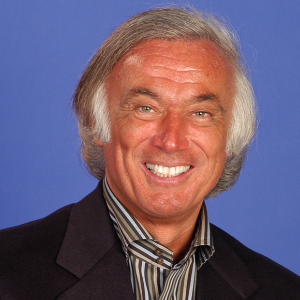
Kenneth R Pelletier
University of California School of Medicine, United States
Gene Bruno
Nutraland, United States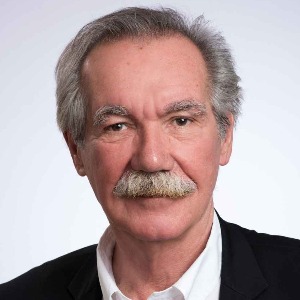
Robert Kempenich
AREMA, France
Sweta Vikram
NimmiLife, United States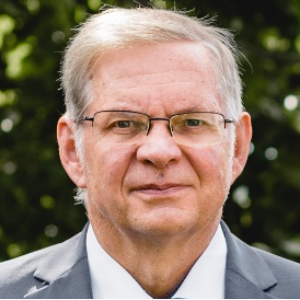
Anton Keppel
EATCM Austria, Austria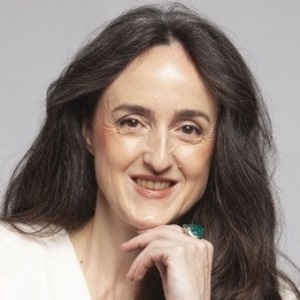
Elsa Ramos Elias
Healing Spirit-Mind-Body S.L., Spain
Julieta Andico Songco
JAS Consulting Services, United StatesSubmit your abstract Today


Title : Health and joy of living with the practice of what is right and not just what you like
Amadio Bianchi, European Yoga Federation, Italy
Title : Nutrition and longevity- science-based solutions to support the increasing demand in the modern society
Iuliana Vintila, University “Dunarea de Jos” Galati, Romania
Title : Pain: Anthroposophic medicine approach
Robert Kempenich, AREMA, France
Title : Integrating indigenous ways of knowing and occupational therapy: Advancing integrative health through relational and place-based practice
Jennifer Bertoni, NOSM University, Canada
Title : Beyond symptom management: The ayurvedic approach to chronic pain and integrative health
Prerak Shah, Ayulink Ayurveda, India
Title : Acupuncture without the needles
Alexis Brink, Jin Shin Institute, United States