
10th Edition of International Conference on
Traditional Medicine and Integrative Health
June 24-26, 2027 | Rome, Italy

Homoeopathy
Homoeopathy is an alternate form of traditional medicine with roots dating back to the 1700s. It is based on the idea that the body can heal itself by using small doses of substances that may cause similar symptoms to the disease being treated. Homoeopathy has been used to cure a wide variety of conditions, including allergies, arthritis, autism, depression, diabetes, headaches, insomnia, joint pain, menstrual problems, skin conditions, and more. Homoeopathy has become a popular form of treatment for many people. It is based on the principles of “treating like with like.” This means that the substances used in homoeopathy are chosen because they can cause similar symptoms to the disease being treated. Homoeopathic physicians will tailor the treatment to each individual by selecting specific substances that have been shown to have the ability to alleviate the specific symptoms of the condition. Proponents of homoeopathy believe that its primary advantage is that it works in harmony with the body’s natural healing process. It can help the body to heal itself, while avoiding the risk of potentially harmful side effects associated with other forms of traditional medicine, such as antibiotics. Homoeopathic remedies contain only natural, non-toxic ingredients, making them safe for long-term use. Furthermore, Homoeopathy has shown promise in helping to manage chronic conditions. Studies have found that homoeopathic treatments can help to reduce the frequency and severity of asthma attacks, improve symptoms of depression, reduce fever, and much more. Although Homoeopathy does have some drawbacks, such as the potential for interactions with conventional medications and a lack of scientific evidence to support some of its claims, it is still considered a safe and effective form of traditional medicine. In addition, it has the potential to be a cost-effective alternative to traditional medical treatments.
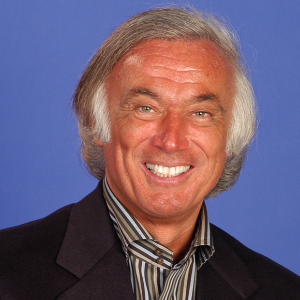
Kenneth R Pelletier
University of California School of Medicine, United States
Gene Bruno
Nutraland, United States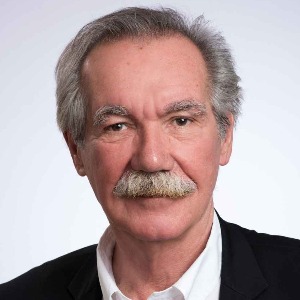
Robert Kempenich
AREMA, France
Sweta Vikram
NimmiLife, United States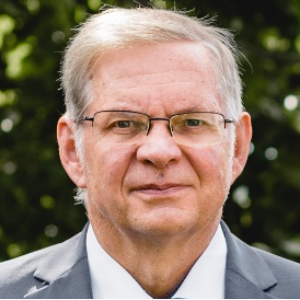
Anton Keppel
EATCM Austria, Austria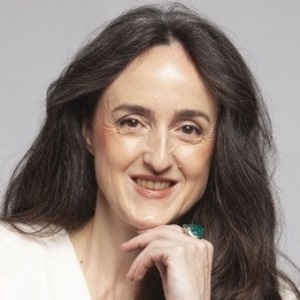
Elsa Ramos Elias
Healing Spirit-Mind-Body S.L., Spain
Julieta Andico Songco
JAS Consulting Services, United StatesSubmit your abstract Today


Title : Health and joy of living with the practice of what is right and not just what you like
Amadio Bianchi, European Yoga Federation, Italy
Title : Nutrition and longevity- science-based solutions to support the increasing demand in the modern society
Iuliana Vintila, University “Dunarea de Jos” Galati, Romania
Title : Pain: Anthroposophic medicine approach
Robert Kempenich, AREMA, France
Title : Integrating indigenous ways of knowing and occupational therapy: Advancing integrative health through relational and place-based practice
Jennifer Bertoni, NOSM University, Canada
Title : Beyond symptom management: The ayurvedic approach to chronic pain and integrative health
Prerak Shah, Ayulink Ayurveda, India
Title : Acupuncture without the needles
Alexis Brink, Jin Shin Institute, United States