
10th Edition of International Conference on
Traditional Medicine and Integrative Health
June 24-26, 2027 | Rome, Italy
Art Therapy
Art therapy is a therapeutic approach that harnesses the power of creative expression to promote emotional, psychological, and physical well-being. Rooted in the belief that artistic activities can serve as a medium for self-discovery and healing, art therapy engages individuals in a process that transcends verbal communication. Participants, guided by trained art therapists, use various art forms such as painting, drawing, sculpting, and other creative outlets to explore and express their thoughts, emotions, and experiences. This form of therapy is particularly effective for individuals facing challenges such as trauma, stress, anxiety, or other mental health issues. The act of creating art provides a non-judgmental space for self-reflection, enabling individuals to gain insights into their inner selves and find coping mechanisms. Art therapy is inclusive, accommodating individuals of all ages and abilities, making it a versatile tool in addressing a wide range of emotional and psychological needs. The therapeutic process encourages mindfulness, self-awareness, and empowerment, allowing individuals to tap into their innate creativity to navigate and overcome personal struggles. As a holistic approach, art therapy recognizes the interconnectedness of the mind, body, and spirit, fostering a sense of wholeness and promoting positive mental health outcomes.
Kenneth R Pelletier
University of California School of Medicine, United States
Gene Bruno
Nutraland, United States
Robert Kempenich
AREMA, France
Sweta Vikram
NimmiLife, United States
Anton Keppel
EATCM Austria, Austria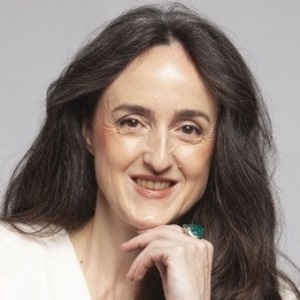
Elsa Ramos Elias
Healing Spirit-Mind-Body S.L., Spain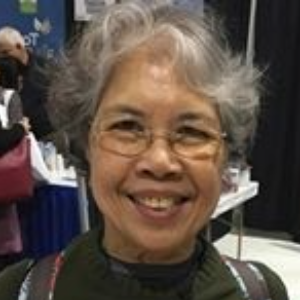
Julieta Andico Songco
JAS Consulting Services, United StatesSubmit your abstract Today


Title : Health and joy of living with the practice of what is right and not just what you like
Amadio Bianchi, European Yoga Federation, Italy
Title : Nutrition and longevity- science-based solutions to support the increasing demand in the modern society
Iuliana Vintila, University “Dunarea de Jos” Galati, Romania
Title : Pain: Anthroposophic medicine approach
Robert Kempenich, AREMA, France
Title : Integrating indigenous ways of knowing and occupational therapy: Advancing integrative health through relational and place-based practice
Jennifer Bertoni, NOSM University, Canada
Title : Beyond symptom management: The ayurvedic approach to chronic pain and integrative health
Prerak Shah, Ayulink Ayurveda, India
Title : Acupuncture without the needles
Alexis Brink, Jin Shin Institute, United States